

 Risks from Other Road Users
Driving safely starts with knowing who else is out there. Dutch traffic law classifies road users into distinct categories, each with their own rules, speeds, and obligations. For the CBR exam, you need to know these categories inside and out. This article walks you through every type of road user you will encounter, from pedestrians to priority vehicles.
Who Counts as a Road User?
A road user (weggebruiker) is anyone participating in traffic. Dutch law splits all road users into two fundamental groups:
- Pedestrians (voetgangers) — anyone travelling on foot
- Drivers (bestuurders) — everyone else
That is it. If you are not a pedestrian, you are a driver. This distinction matters because different rules apply to each group.
Pedestrians
Anyone moving on foot is a pedestrian. This includes people you might not immediately think of:
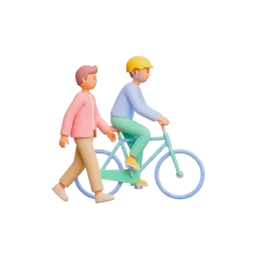
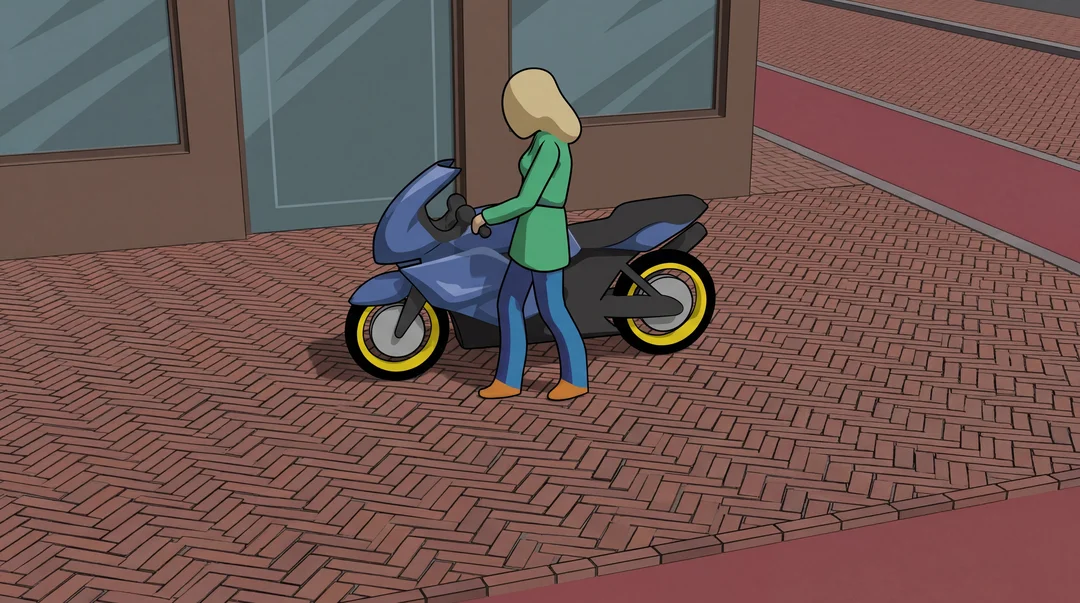
- Someone walking alongside a bicycle, moped, or motorcycle
- Skateboarders and roller skaters
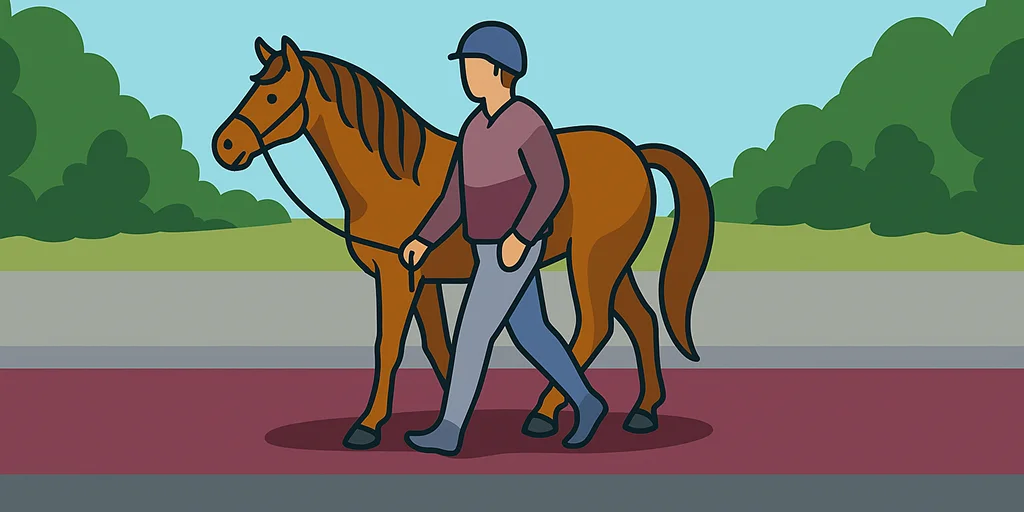
There is one important exception: a person leading a horse is always classified as a driver, even when walking on foot beside the animal.
Users of an invalid carriage (mobility scooter) are also treated as pedestrians when they ride on the footpath or pavement.
Where must pedestrians walk? On the pavement or footpath. If none is available, they may use a bicycle/moped path. If that is also absent, they may walk on the verge or roadside.
Drivers
All road users who are not pedestrians are drivers. The law divides drivers into four categories:
- Non-motor vehicles — cyclists, moped riders, trams, and similar
- Motor vehicles — cars, motorcycles, lorries, buses
- Priority vehicles — police, ambulances, fire engines
- Persons in charge of riding animals, draft animals, or livestock
Each category follows its own set of rules. Understanding the differences is essential for the CBR exam.
Motor Vehicles
Motor vehicles are all motorised vehicles, with several notable exceptions. The following are specifically excluded from the motor vehicle category:
- Mopeds (bromfietsen)
- Light mopeds (snorfietsen)
- Moped cars (brommobielen)
- Bicycles with pedal assistance (e-bikes)
- Invalid carriages (mobility scooters)
- Vehicles designed to travel along rails (trams, trains)
These excluded vehicles are classified as non-motor vehicles, even though some have engines.
Examples of motor vehicles include cars, electric cars, motorcycles, lorries, buses, and agricultural vehicles.
Key restriction: Motor vehicles are not permitted on pavements, footpaths, cycle paths, bicycle-moped paths, or bridleways.
Non-Motor Vehicles
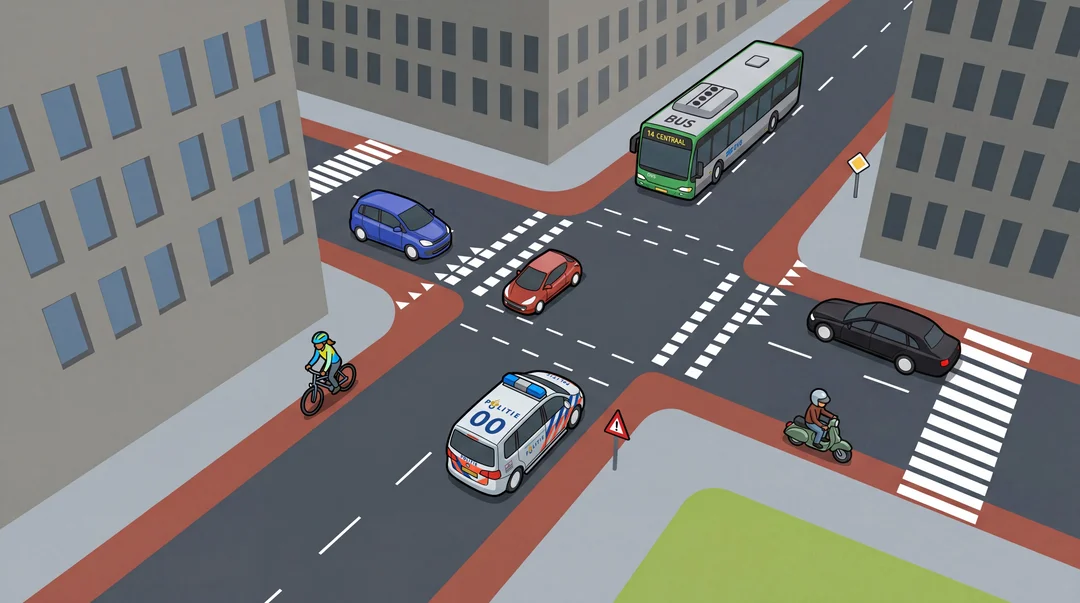
Dutch traffic regulations classify certain engine-powered vehicles as non-motor vehicles. This is an important legal distinction because these vehicles follow different rules than motor vehicles.
Non-motor vehicles include:
- Bicycles
- Trams and trains
- Mopeds (bromfietsen)
- Light mopeds (snorfietsen)
- Moped cars (brommobielen)
Motor Carriages (Motorrijtuigen)
A motor carriage is not the same as a motor vehicle. According to the Dutch Road Traffic Act (Wegenverkeerswet), a motor carriage is any vehicle intended to travel other than along rails, powered wholly or partly by mechanical force present on or attached to the vehicle, or by electric traction with external power supply. The only exception is bicycles with pedal assistance.
Examples of motor carriages:
- Cars, motorcycles, buses, lorries
- Mopeds, light mopeds (snorfietsen), moped cars (brommobielen)
To clarify with examples:
- A snorfiets is not a motor vehicle, but it is a motor carriage
- A car is both a motor vehicle and a motor carriage
- A tram is neither a motor vehicle nor a motor carriage
Every motor carriage must be insured before it may participate in traffic. This is a legal requirement with no exceptions.
Priority Vehicles (Voorrangsvoertuigen)
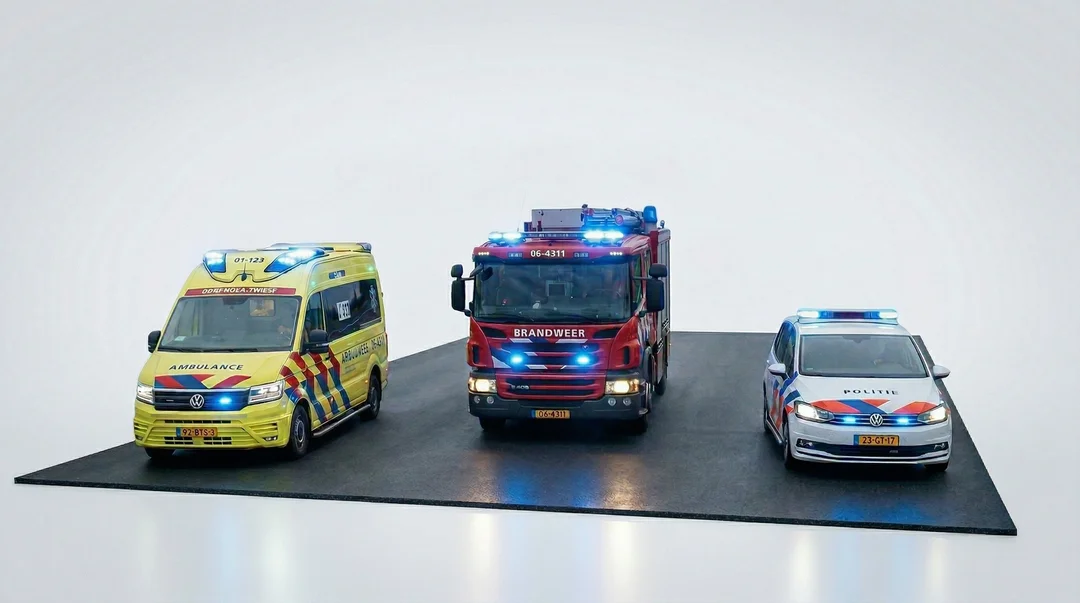
Priority vehicles are granted right of way only when they use both blue flashing lights and a siren simultaneously. Even vehicles that do not look like emergency vehicles become priority vehicles when they activate these signals.
Examples of priority vehicles:
- Police cars
- Ambulances
- Fire engines
An animal ambulance using optical and sound signals is not a priority vehicle.
Amber flashing lights do not make a vehicle a priority vehicle. Amber lights are used during roadworks or to warn of unusual or hazardous situations. You will see them on street sweepers, agricultural vehicles, and road maintenance equipment.
Vulnerable Road Users
Around 75% of all traffic casualties in the Netherlands are vulnerable road users. A vulnerable road user is someone who:
- Has a higher-than-average chance of becoming a traffic accident victim
- Poses virtually no threat to other road users
- Participates in traffic with limited external protection
This category includes:
- Pedestrians
- Children and young people
- Cyclists
- Elderly people
- Persons with disabilities
- Moped riders (including snorfiets and brommobiel riders)
- Motorcyclists
- Horse riders and persons in charge of animals or livestock
Children
Children do not always recognise danger and may suddenly run into the road. Be especially alert near schools, in residential areas, and wherever children are present. Their smaller stature means you may not spot them until the last moment, particularly if they dart out from behind parked cars.
Cyclists
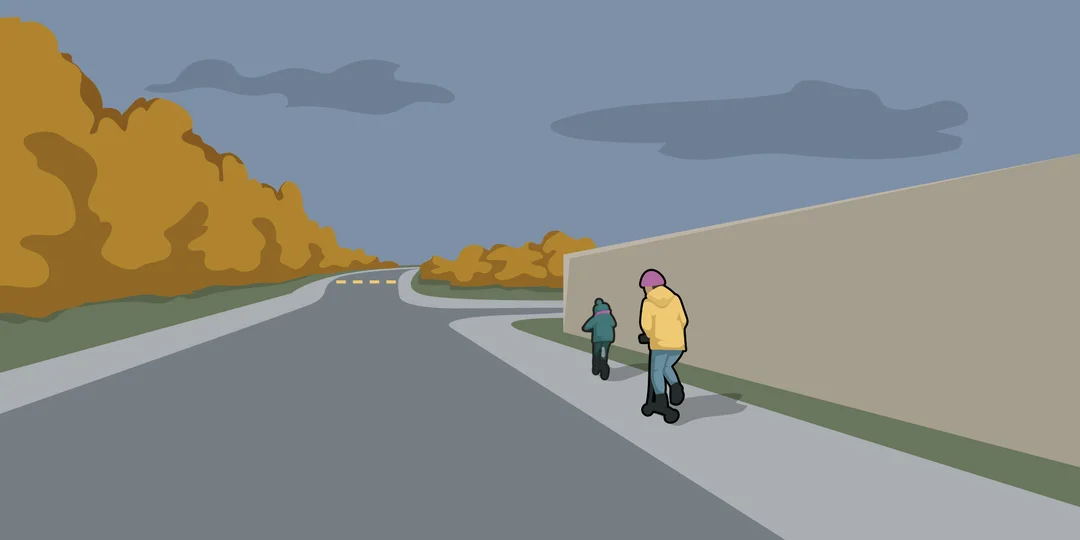
Cyclists can behave unpredictably — they may turn without signalling, for example. In bad weather or when carrying heavy loads, cyclists are less stable and more prone to sudden movements. Give them extra space and attention.
Elderly People
Older road users may have reduced vision and hearing, and typically react more slowly. They may not always assess traffic situations quickly or correctly. Allow them plenty of time and space.
Horse Riders, Draft Animals, and Livestock
Animals are easily startled by engine noise, horns, or sudden movements. As a driver, reduce your speed, keep a safe distance, and avoid abrupt manoeuvres. Only overtake when there is ample room, leaving generous side clearance and passing at low speed.
Persons with Disabilities
People with visual or hearing impairments may only notice you at the last moment. Some carry a reflective sign on their bicycle or person to indicate reduced vision or hearing. Watch for these signs and adjust your driving accordingly.
Moped (Bromfiets)
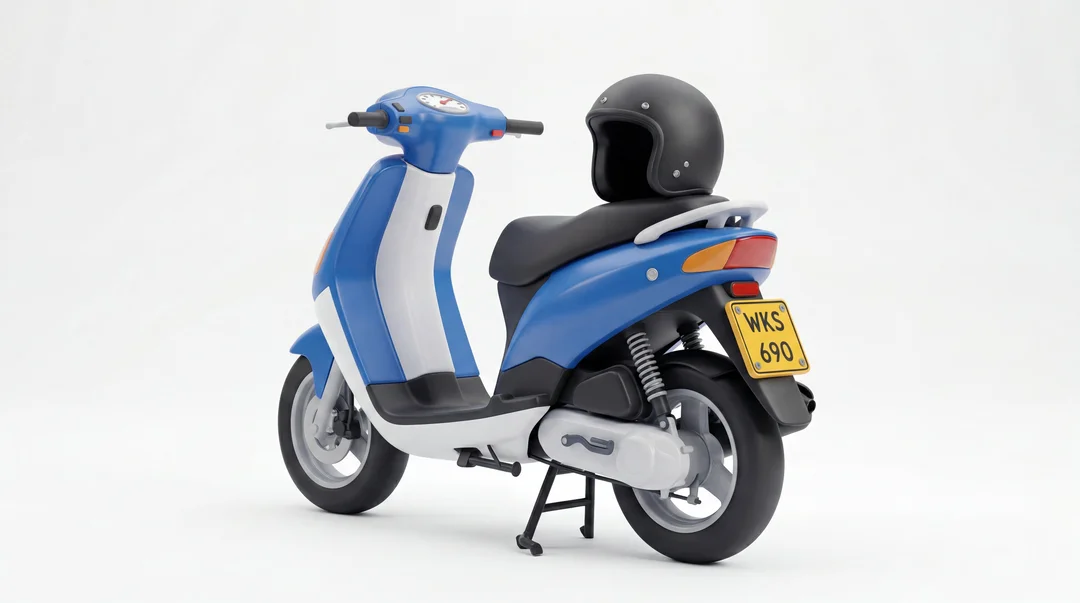
A moped must ride on the bicycle-moped path. It is not allowed on the bicycle-only path. When no bicycle-moped path is available, a moped may use the carriageway.
Rules for mopeds:
- A helmet is mandatory
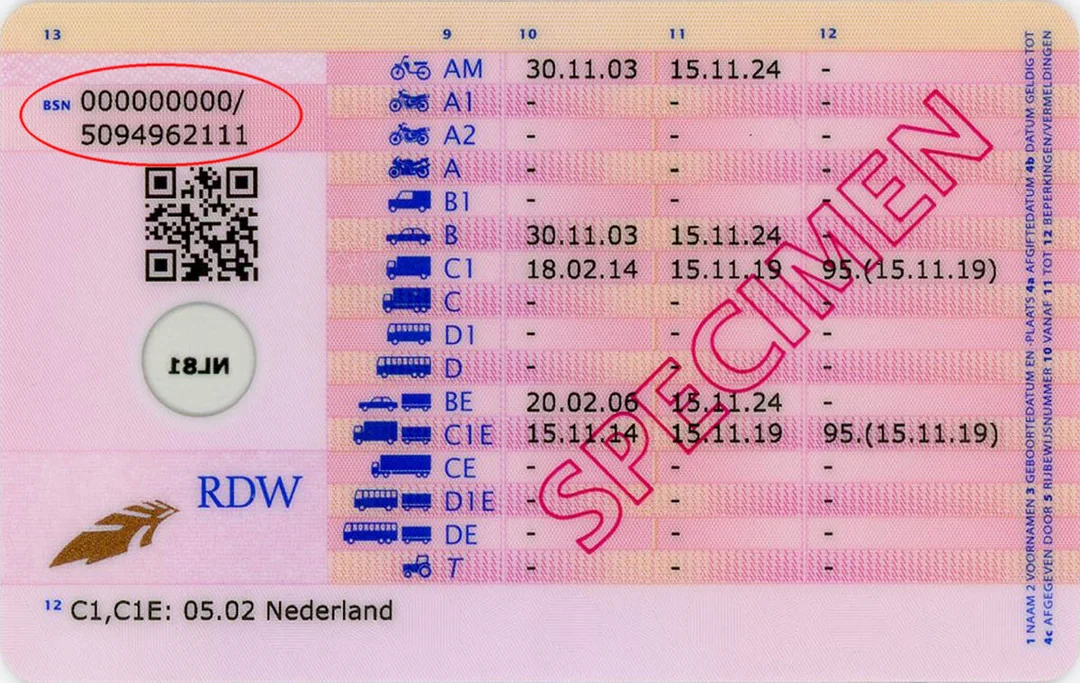
- The driver must hold a moped driving licence (AM)
- Minimum age: 16 years
- Yellow moped licence plate required
Maximum speeds:
| Location | Speed limit |
|---|---|
| Carriageway | 45 km/h |
| Bicycle-moped path outside built-up area | 40 km/h |
| Bicycle-moped path within built-up area | 30 km/h |
Light Moped (Snorfiets)
The snorfiets is a lighter version of the moped. It may ride on the bicycle path, the bicycle-moped path, or on the carriageway when neither is available.
Rules for snorfietsen:
- Follows the same traffic rules as cyclists, unless stated otherwise
- Maximum speed: 25 km/h
- Helmet mandatory since 1 January 2023 (including passengers)
- AM driving licence required
- Minimum age: 16 years
- Blue licence plate
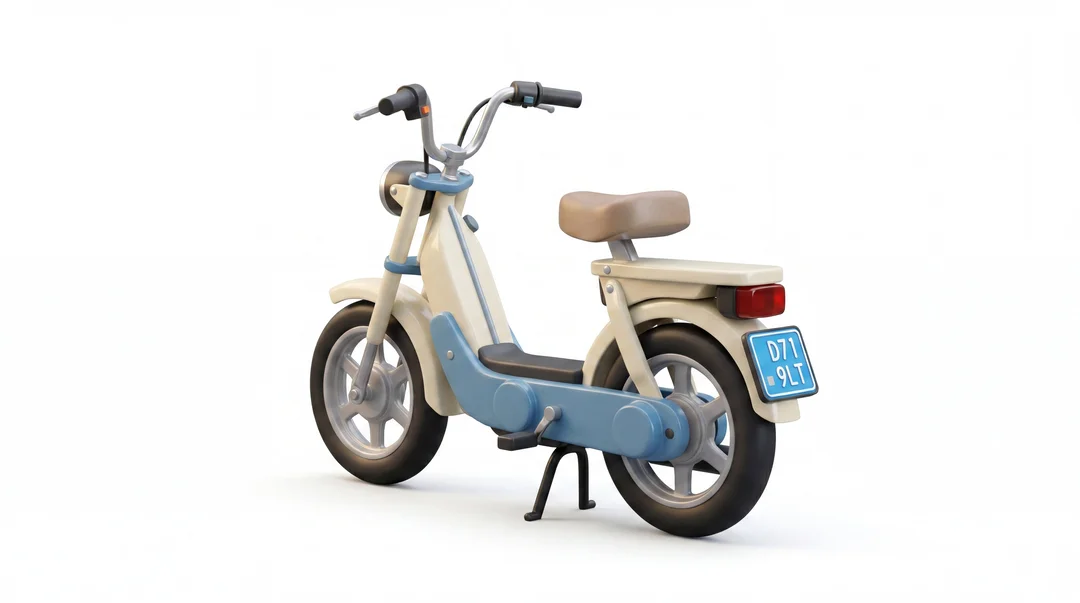
In certain cities, such as Amsterdam and Utrecht, traffic signs require snorfietsen to ride on the carriageway rather than the cycle path. This aims to improve traffic flow on cycle lanes and increase road safety.
Motorcycle (Motorfiets)
A motorcycle is a motor vehicle on two wheels, possibly with a sidecar or trailer. Cars and motorcycles share the same speed limits.
Rules for motorcycles:
- Helmet is mandatory
- Yellow licence plate required
- The driver must hold a category A motorcycle licence
- Drivers of motor tricycles also need a motorcycle licence
Moped Car (Brommobiel)
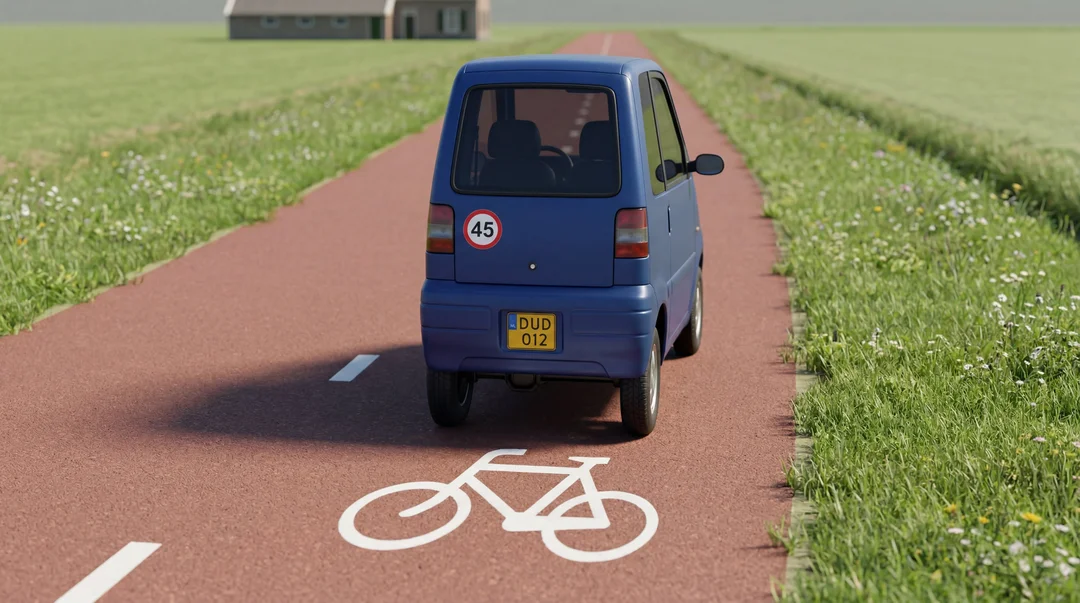
A brommobiel is a moped on more than two wheels, fitted with a closed compartment for the driver. It resembles a small car, but do not confuse it with an invalid carriage.
The driver of a brommobiel must follow car driver rules, unless otherwise stated.
Rules for brommobielen:
- Maximum speed: 45 km/h
- Must drive on the carriageway — not allowed on motorways or autowegen
- AM driving licence required
- Minimum age: 16 years
- Yellow moped licence plate
Invalid Carriage / Mobility Scooter (Gehandicaptenvoertuig)
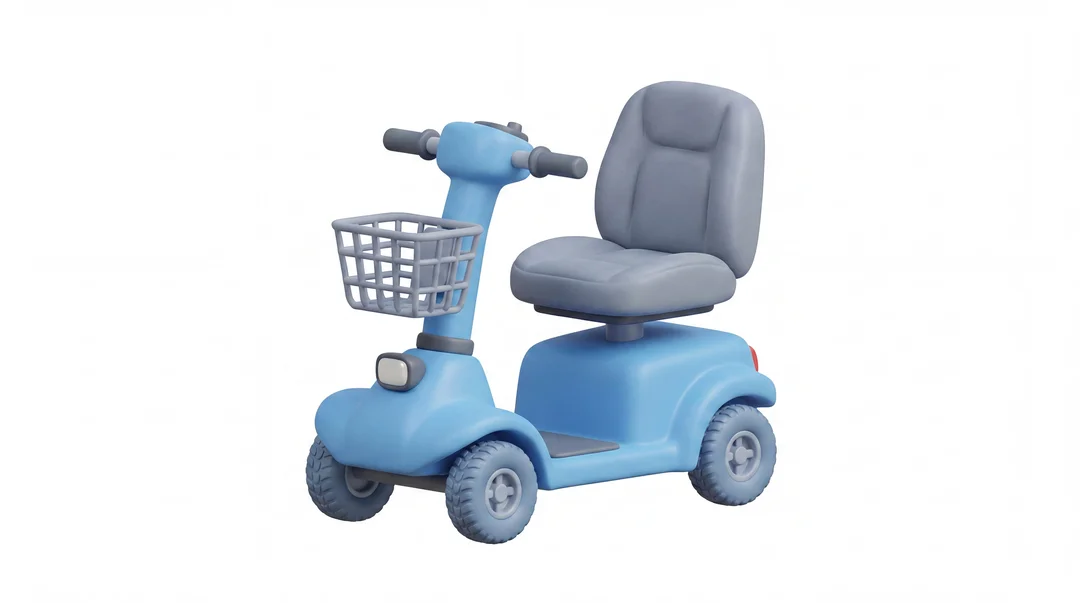
A disabled person's vehicle is designed for people with a disability, but anyone may drive one. It must be no wider than 1.10 metres. A disabled person's vehicle is not classified as a moped. The same rules apply to mobility scooters.
Rules:
- May drive anywhere except on expressways (autoweg) and motorways (autosnelweg)
- Follows pedestrian rules when on the footpath
- Follows driver rules when on the bicycle path, bicycle-moped path, or carriageway
- No licence plate required
- No driving licence required
Maximum speeds:
| Location | Speed limit |
|---|---|
| Footpath or pavement | 6 km/h |
| Bicycle-moped path within built-up area | 30 km/h |
| Bicycle-moped path outside built-up area | 40 km/h |
| Carriageway | 45 km/h |
E-Bike (Electric Bicycle)
An e-bike is a bicycle with electric pedal assistance. It follows exactly the same rules as a regular bicycle.
Key facts:
- Electric pedal assistance cuts off at 25 km/h
- No driving licence needed
- No licence plate needed
Speed Pedelec
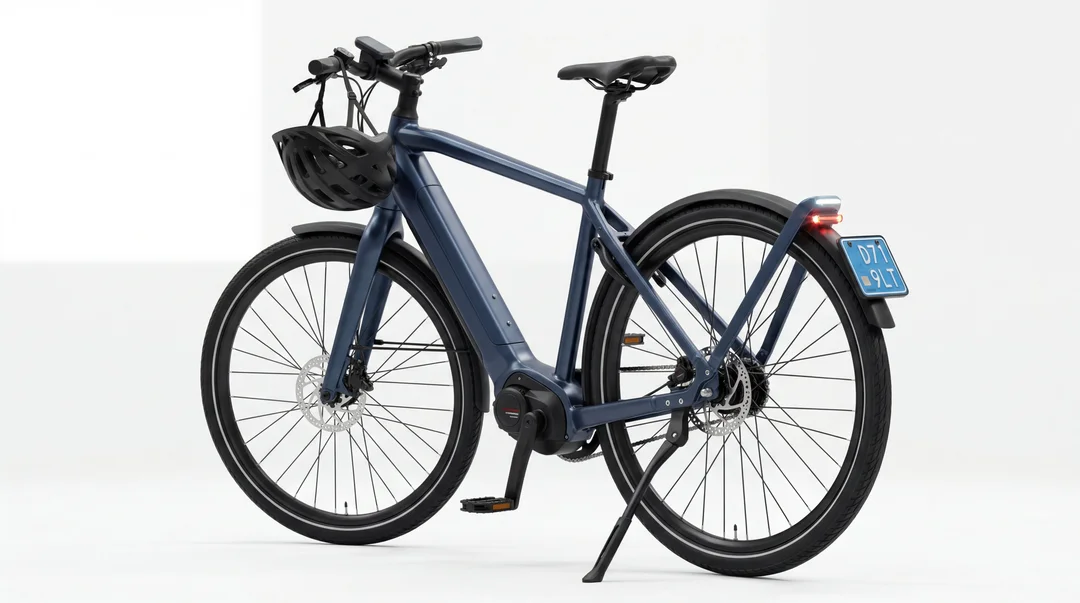
A speed pedelec is an electric bicycle whose pedal assistance continues above 25 km/h. Unlike a standard e-bike, a speed pedelec is treated as a moped under Dutch law.
Rules for speed pedelecs:
- Must use the bicycle-moped path; must ride on the carriageway if none is available
- Blue moped licence plate required
- AM driving licence required
- Must wear a speed pedelec helmet or moped helmet
- Minimum age: 16 years
Maximum speeds:
| Location | Speed limit |
|---|---|
| Carriageway | 45 km/h |
| Bicycle-moped path outside built-up area | 40 km/h |
| Bicycle-moped path within built-up area | 30 km/h |
Bus or Coach (Autobus)
A bus is a motor vehicle equipped to transport more than 8 passengers, not counting the driver.
Types of buses include scheduled buses, local buses, and T100 buses.
Maximum speeds:
| Location | Speed limit |
|---|---|
| Within built-up areas | 50 km/h |
| Outside built-up areas | 80 km/h |
| Expressway or motorway | 80 km/h |
| T100 bus on expressway or motorway | 100 km/h |
A T100 bus meets strict safety standards that allow it to travel at 100 km/h on expressways and motorways, compared to the standard 80 km/h limit for regular buses.
Segway and Special Mopeds (Bijzondere Bromfietsen)
The Segway is classified as a special moped. It must ride on a bicycle path or bicycle-moped path, or on the carriageway if neither is available. Disabled persons may use a Segway on the footpath or pavement, following pedestrian rules at a maximum speed of 6 km/h.
Rules for special mopeds:
- Maximum speed: 25 km/h
- No helmet required
- No driving licence required
- Licence plate required from 1 January 2025
Other examples of special mopeds include the Swing and the Stint.
Lorry / Truck (Vrachtauto)
A lorry is a motor vehicle with a maximum permitted weight exceeding 3,500 kg, designed for transporting goods rather than passengers.
Licence requirements:
- C1 driving licence for vehicles up to 7,500 kg
- C driving licence for vehicles over 7,500 kg
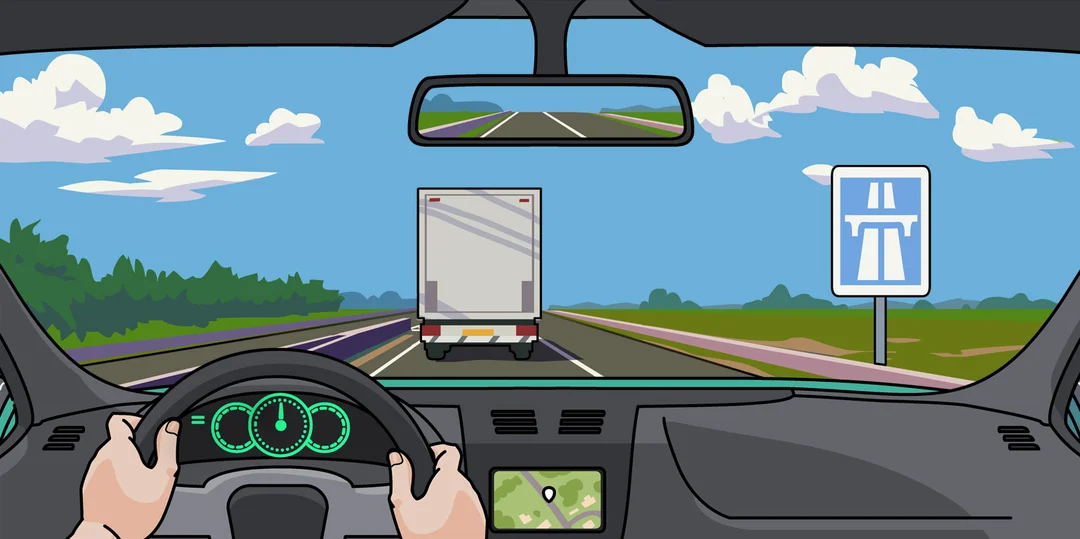
Maximum speeds:
| Location | Speed limit |
|---|---|
| Within built-up areas | 50 km/h |
| Outside built-up areas | 80 km/h |
| Expressway or motorway | 80 km/h |
Horse Rider (Ruiter)
A horse rider must use the bridleway (ruiterpad) when one is available. If there is no bridleway, horse riders may use the carriageway or the verge.
A horse rider is always classified as a driver — even when walking beside the horse on foot.
Limited-Speed Motor Carriages (MMBS)
Limited-speed motor carriages (motorrijtuigen met beperkte snelheid, or MMBS) do not exceed 25 or 45 km/h. Many require a T driving licence.
Examples include street sweepers, mowers, forklift trucks, road trains, and excavators.
No driving licence is needed for limited-speed motor carriages that:
- Are no wider than 130 cm
- Are used for mowing, sweeping, snow removal, ice control, dog waste collection, or weed control
- Cannot tow a trailer or interchangeable machine
These vehicles typically use amber flashing lights to warn other road users.
Quick Reference: Vehicle Categories at a Glance
| Vehicle | Licence | Age | Plate | Motor vehicle? | Motor carriage? | Insurance? |
|---|---|---|---|---|---|---|
| Pedestrian | — | — | — | No | No | No |
| Cyclist | — | — | — | No | No | No |
| E-bike | — | — | — | No | No | No |
| Invalid carriage | — | — | — | No | Yes | Yes |
| Snorfiets | AM | 16 | Blue | No | Yes | Yes |
| Moped | AM | 16 | Yellow | No | Yes | Yes |
| Brommobiel | AM | 16 | Yellow | No | Yes | Yes |
| Speed pedelec | AM | 16 | Blue | No | Yes | Yes |
| Car | B | 17-18 | Yellow | Yes | Yes | Yes |
| Motorcycle | A | 18-24 | Yellow | Yes | Yes | Yes |
| Lorry | C | 18-21 | Yellow | Yes | Yes | Yes |
| Bus | D | 18 | Yellow | Yes | Yes | Yes |
| Tractor | T | 16 | — | Yes | Yes | Yes |